How the Studio Museum in Harlem Serves as a Pillar of Black Art, History, and Community
Christina Lilavois
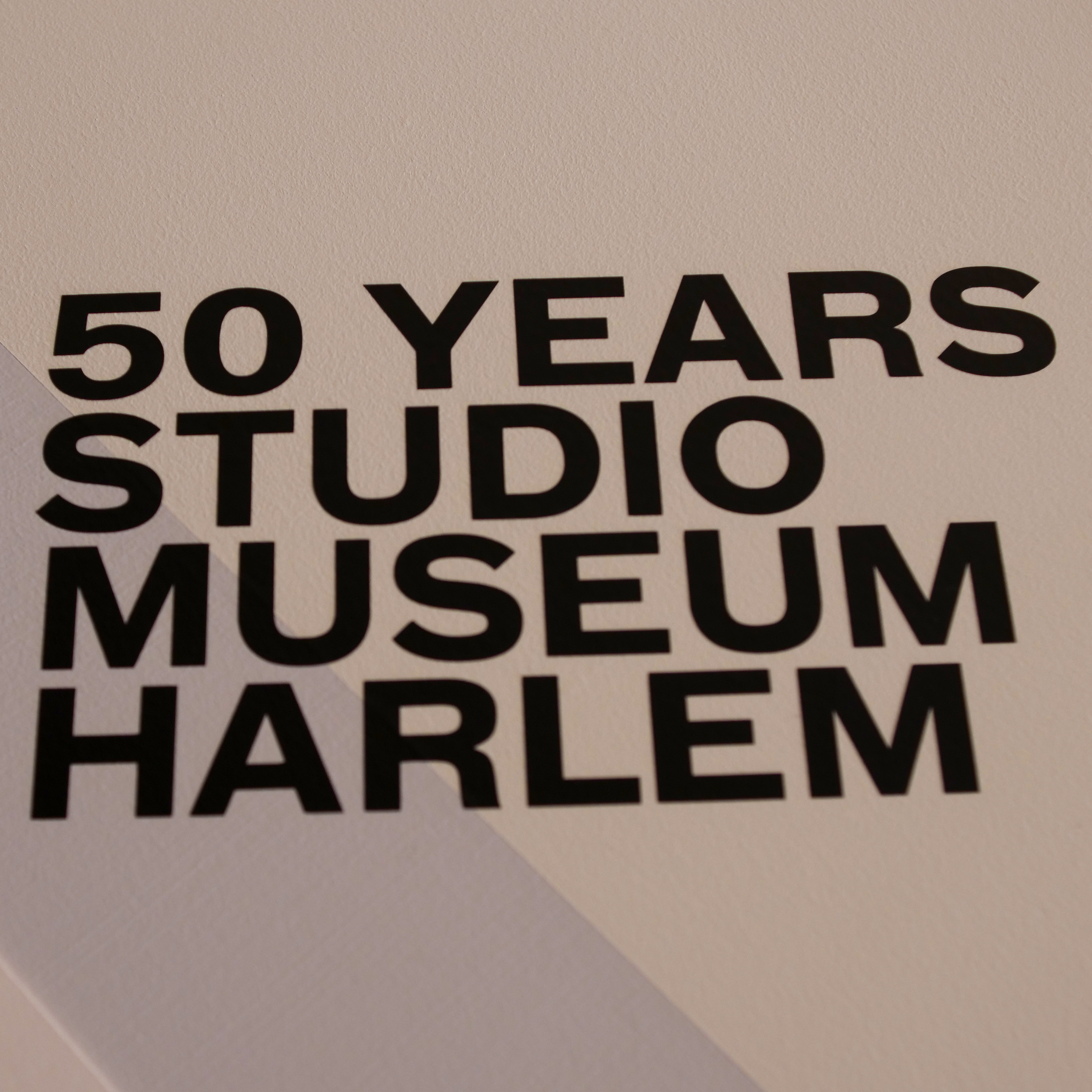
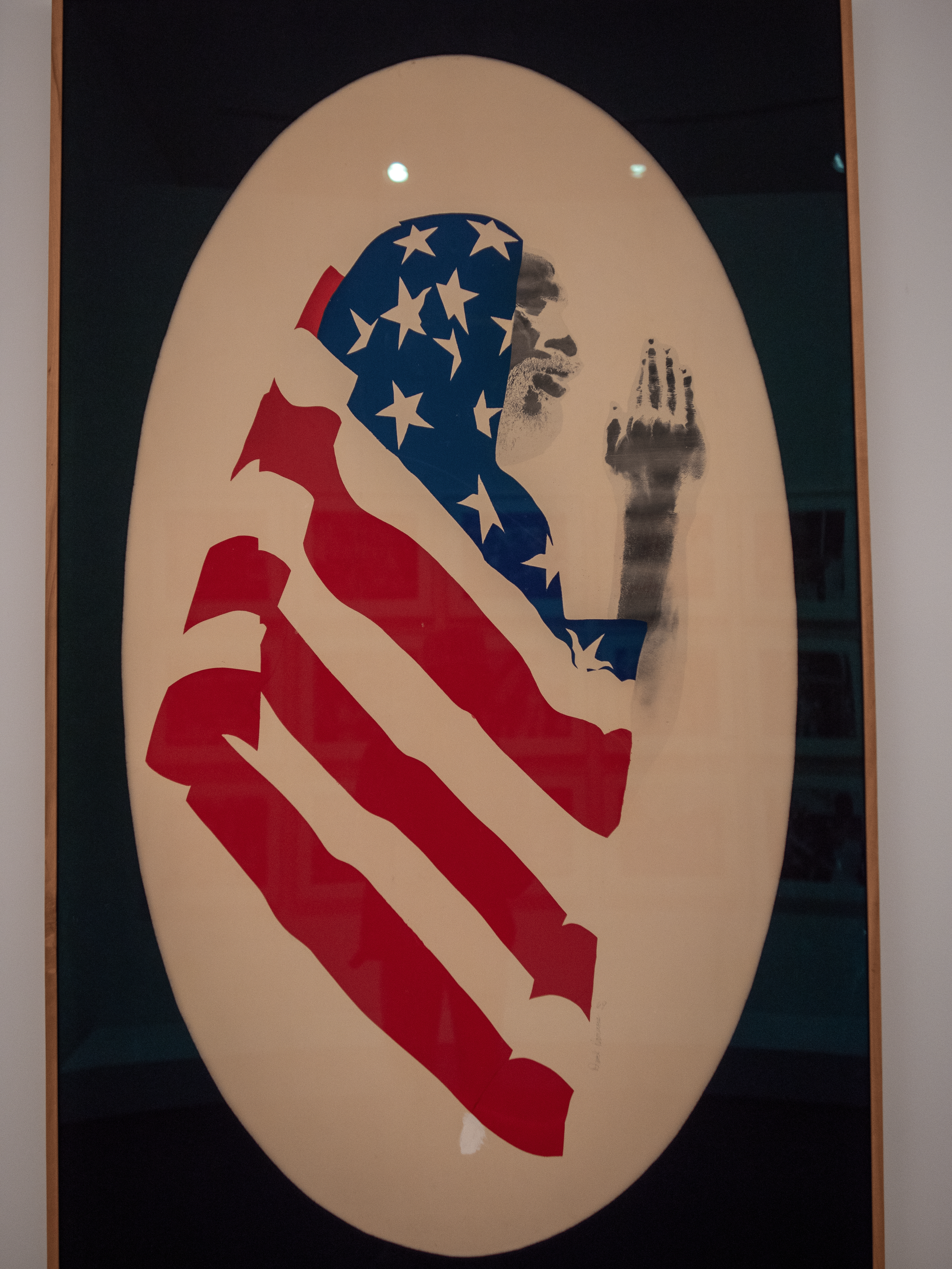
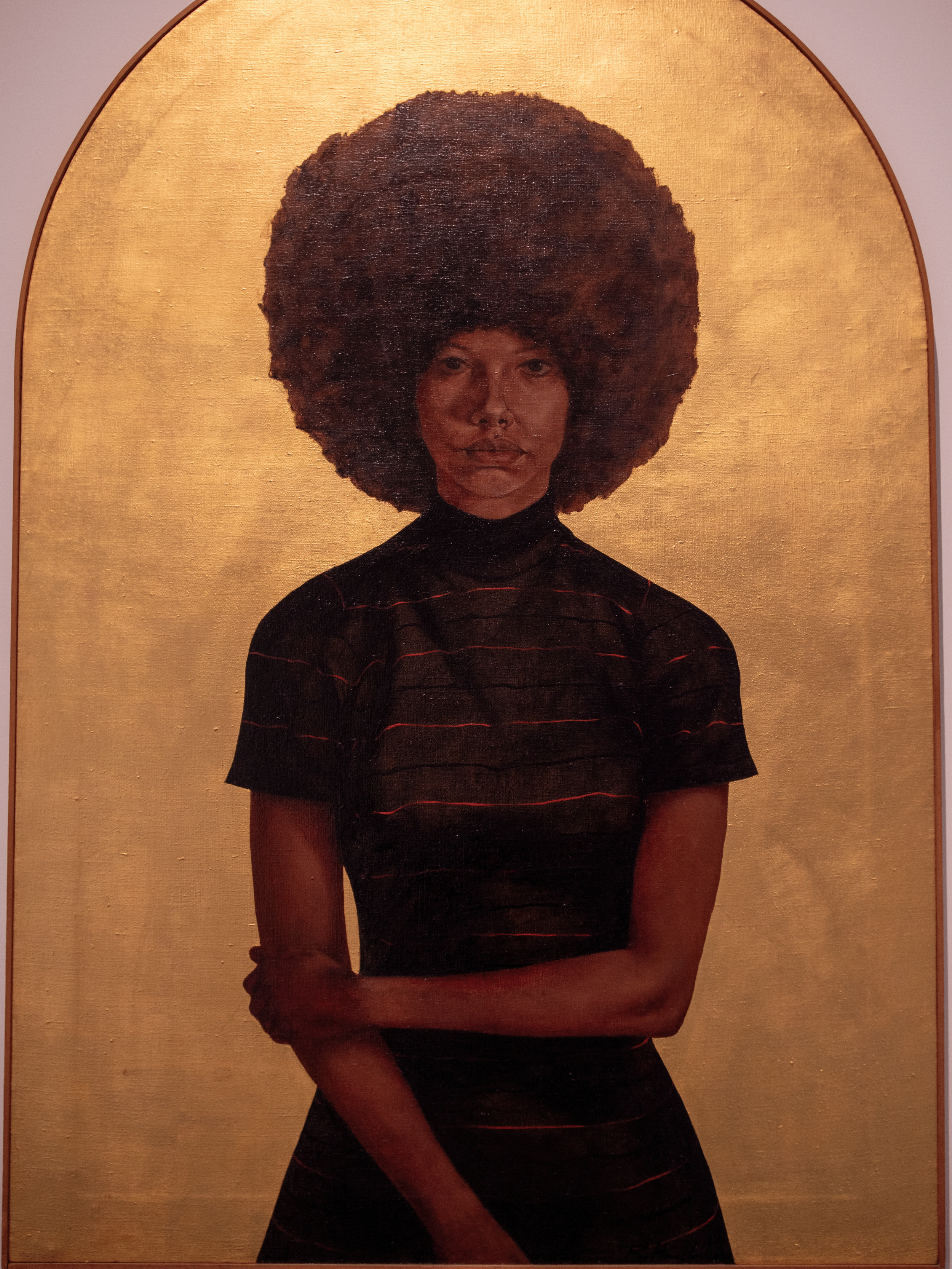
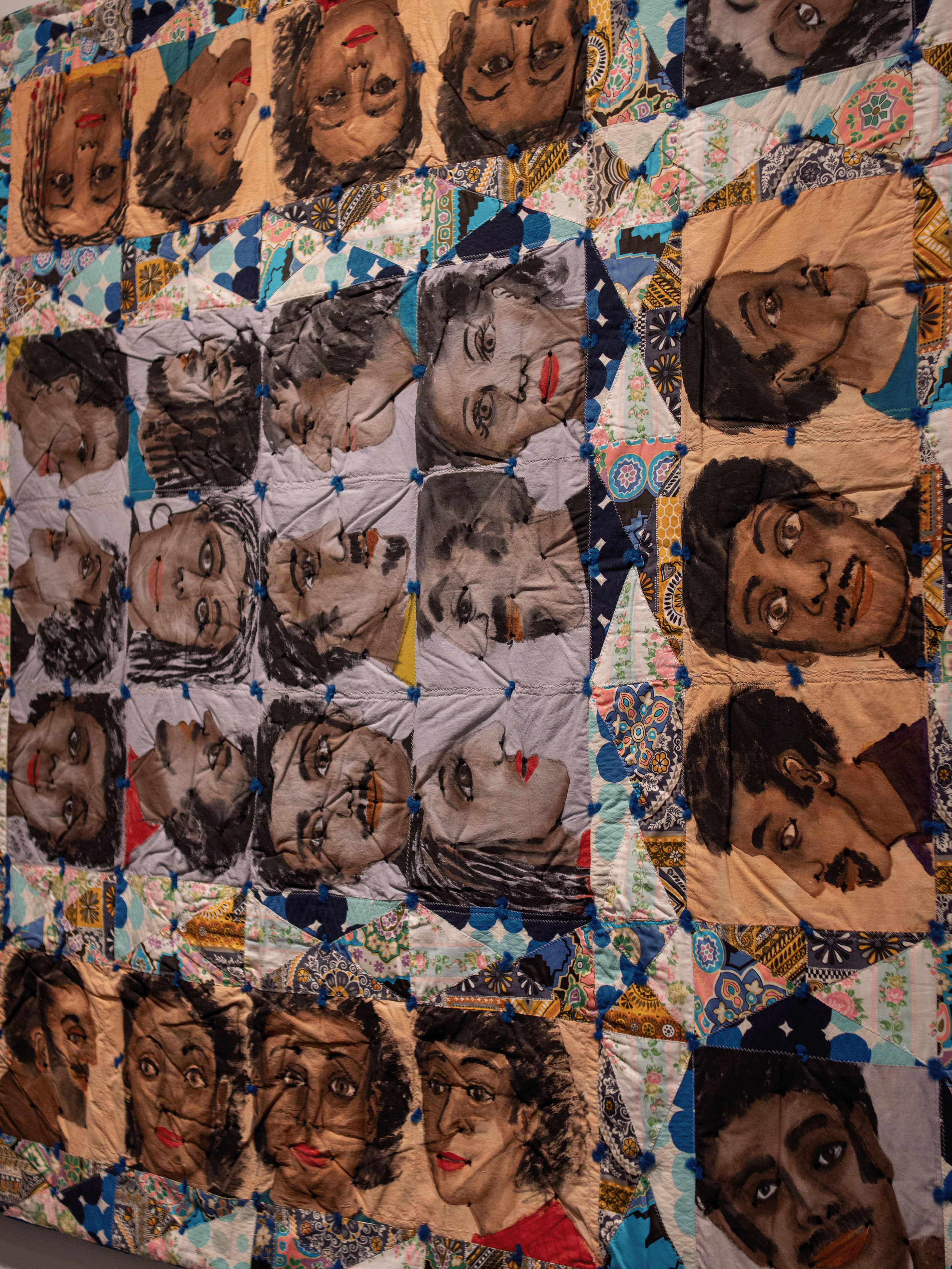
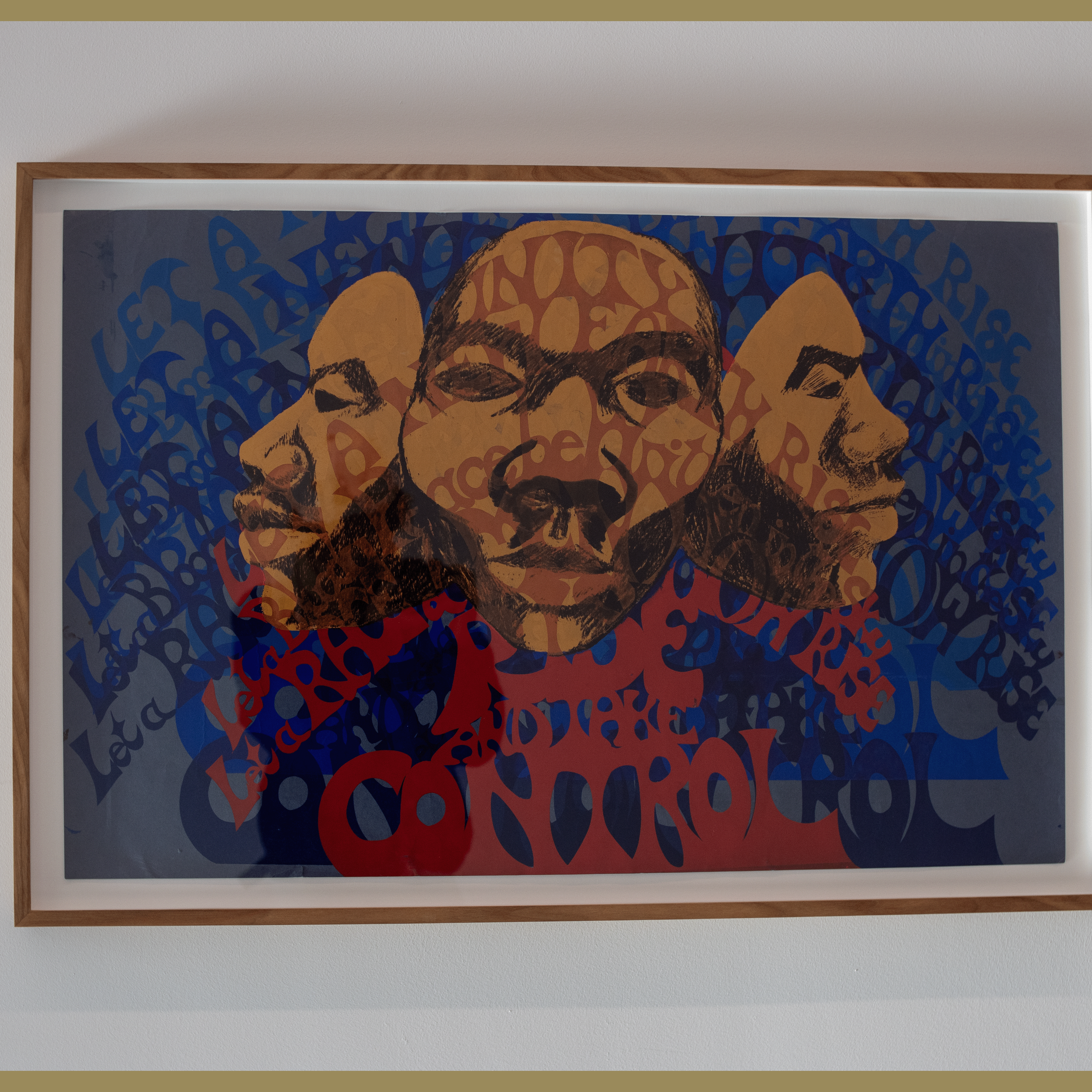
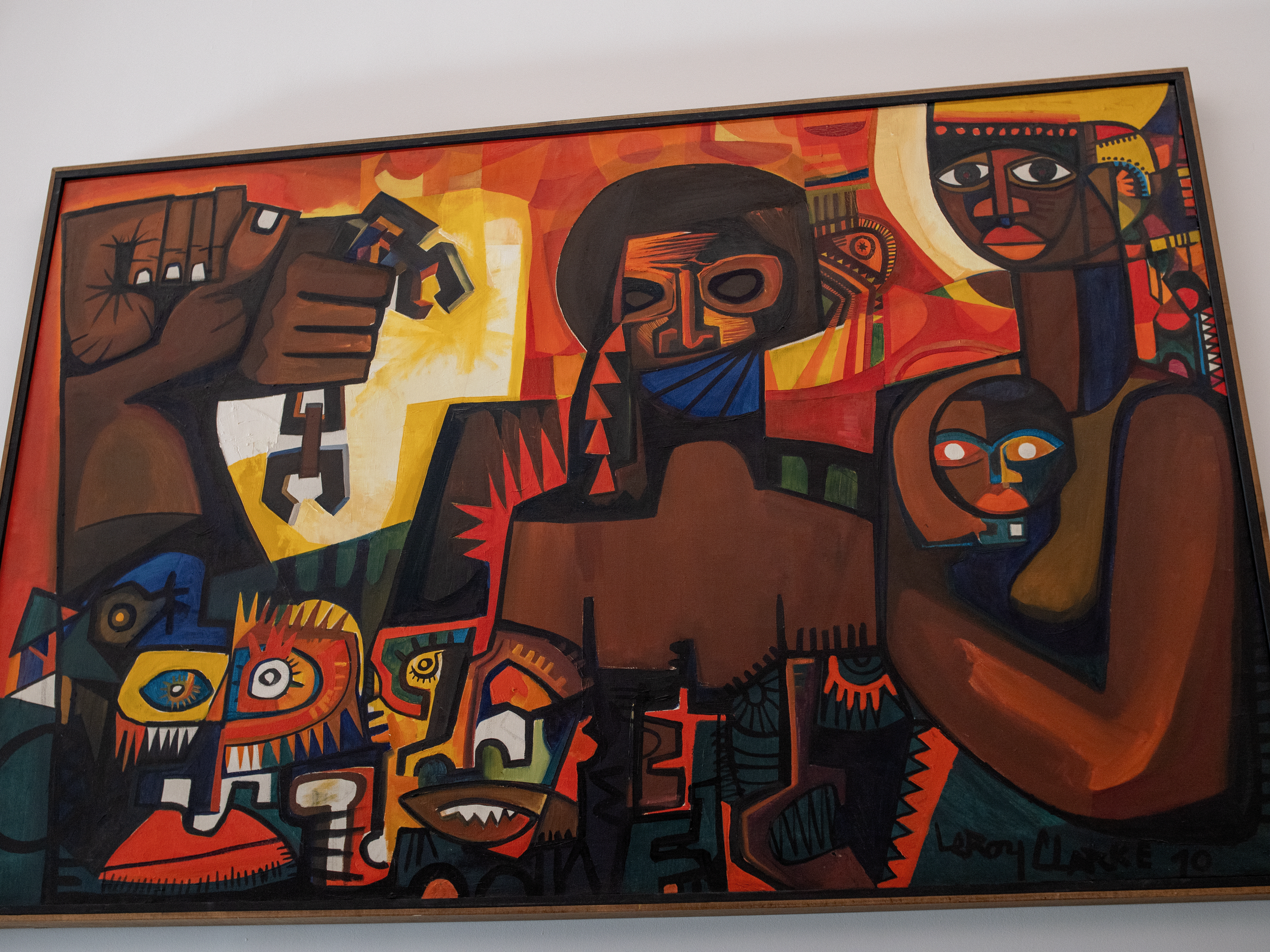
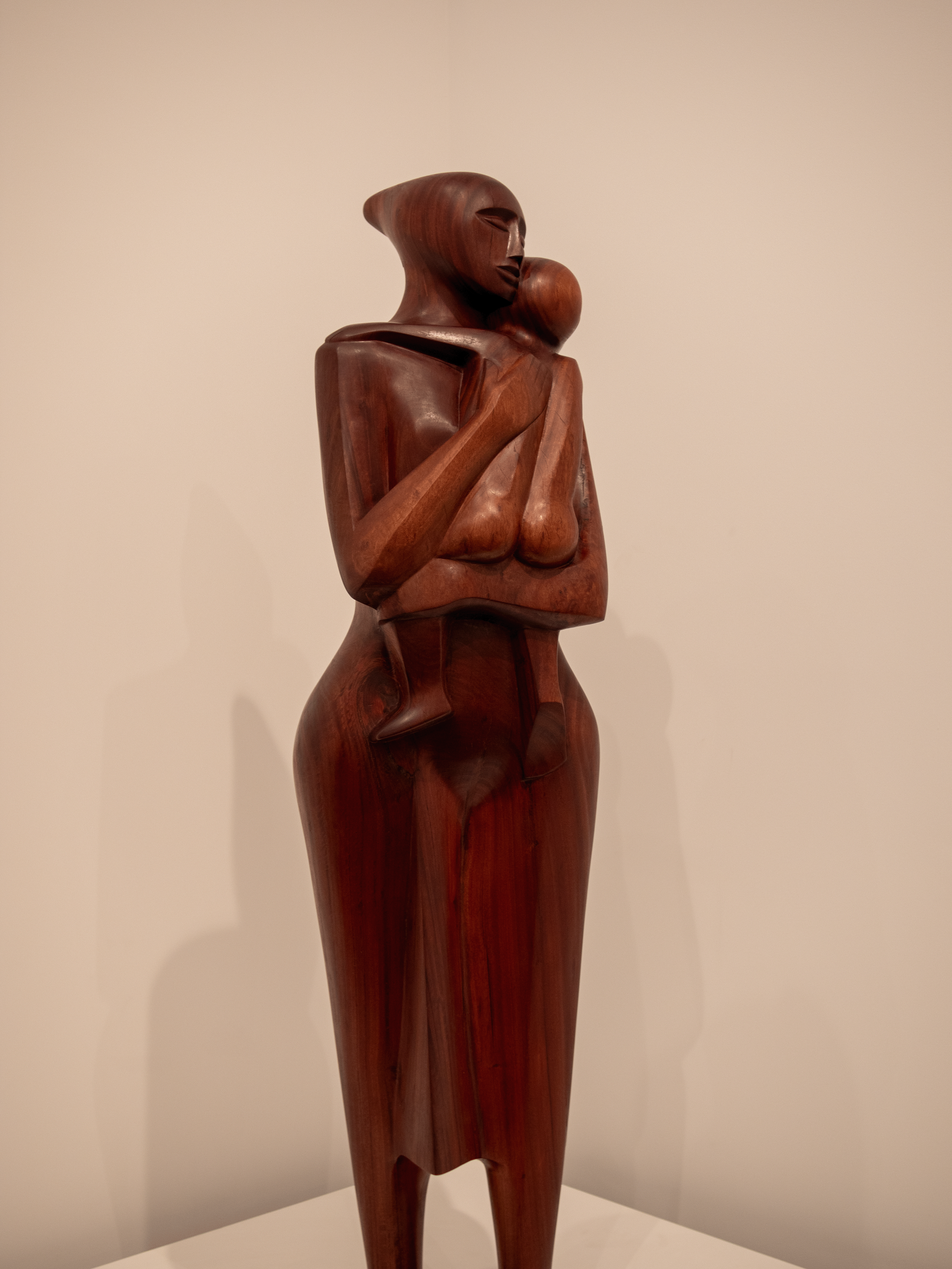
Inside the Studio Museum in Harlem, art across generations, movements, and mediums showcases Black artists’ presence and power. More than a gallery space, the museum functions as a cultural anchor that preserves Black history, amplifies voices, and inspires aspiring creatives.
From experimental light sculptures by artist-activist Tom Lloyd to photographs taken by Harlem teenagers to pieces from the 1960s, the museum presents itself as an artistic pillar rooted in community, creativity, and resistance.
Founded in September 1968, the Studio Museum opened its doors during a period of sociopolitical tension in the United States. Across the nation, feelings of anger and urgency intensified due to the assassinations of Robert F. Kennedy and Martin Luther King Jr., alongside major anti-war protests and the rise of the Black Power and Civil Rights Movement.
At the same time, Black artists were experimenting with new visual languages, using art as a form of political expression and resistance. The establishment of the museum was a response to the desire to create a space dedicated to the work and voices of Black artists.
To Be a Place, a timeline installation that traces the Studio Museum’s six-decade history, demonstrates that idea. The museum’s initial concept highlighted the desire to create “a place where art happens,” while emphasizing accessibility, community engagement, and artistic experimentation.
Archival photos and documents show the museum’s first location on Fifth Avenue in Harlem, placing the museum within the Harlem community from its earliest years of operation. An early example of the museum’s role as a space for cultural expression can be seen in a 1973 flyer advertising a “Jam Session Kwanzaa,” which invited Black musicians to bring their instruments and gather in celebration.
Today, that same focus on community is reflected in From Now: A Collection in Context, an installation made entirely of artwork from the museum’s own collection, pieces they own. The installation groups pieces from different periods together, allowing visitors to see how Black artists across time respond to cultural and social questions.
“It showed you the history, the people behind the artwork and the museum itself, and why they created the studio,” said a first-time visitor to the museum. “Besides it being an art museum it had important historical information that gives great insight into the Black community.”
The Studio Museum was initially established as a non-collecting organization, but it soon became clear there was a need to preserve and care for black artists’ work. Today, its collection is filled with over 800 artists using a variety of different mediums.
The museum’s role as a creative, cultural community pillar is evident through its emphasis on education and youth participation. The museum’s teen photography program celebrates its 25th anniversary with Expanding the Walls: Making Connections Between Photography, History, and Community. The exhibition gives an intimate look at people, locations, and events that define what it is like to grow up in Harlem, through photographs taken by Harlem teens.
A few floors above, visitors can engage with archival pieces created through the museum’s Artist-in-Residence program, which began around 50 years ago. These preserved pieces reflect the museum’s continuous commitment to protect and care for artists’ works and ideas.
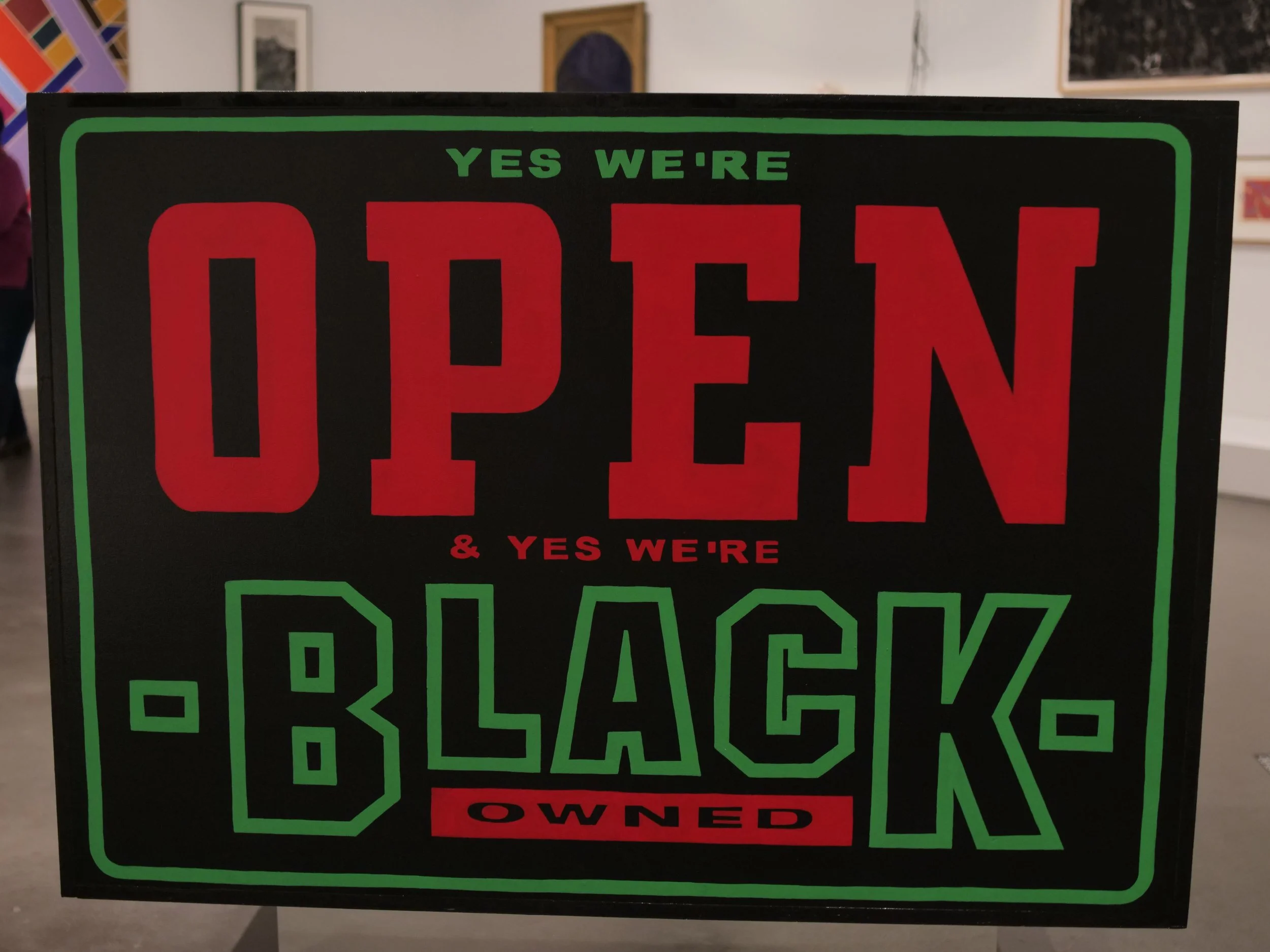
In one gallery area, a piece reads, “Yes We’re Open & Yes We’re Black-Owned” on display boldly in the center. The piece sets the tone for a space where Black art and voices are affirmed and uplifted continuously today.